
Rubber Prices Rise: Factories Under Pressure(Sep 10)
Rubber Raw Material Prices Continue to Rise: Factories Under Pressure
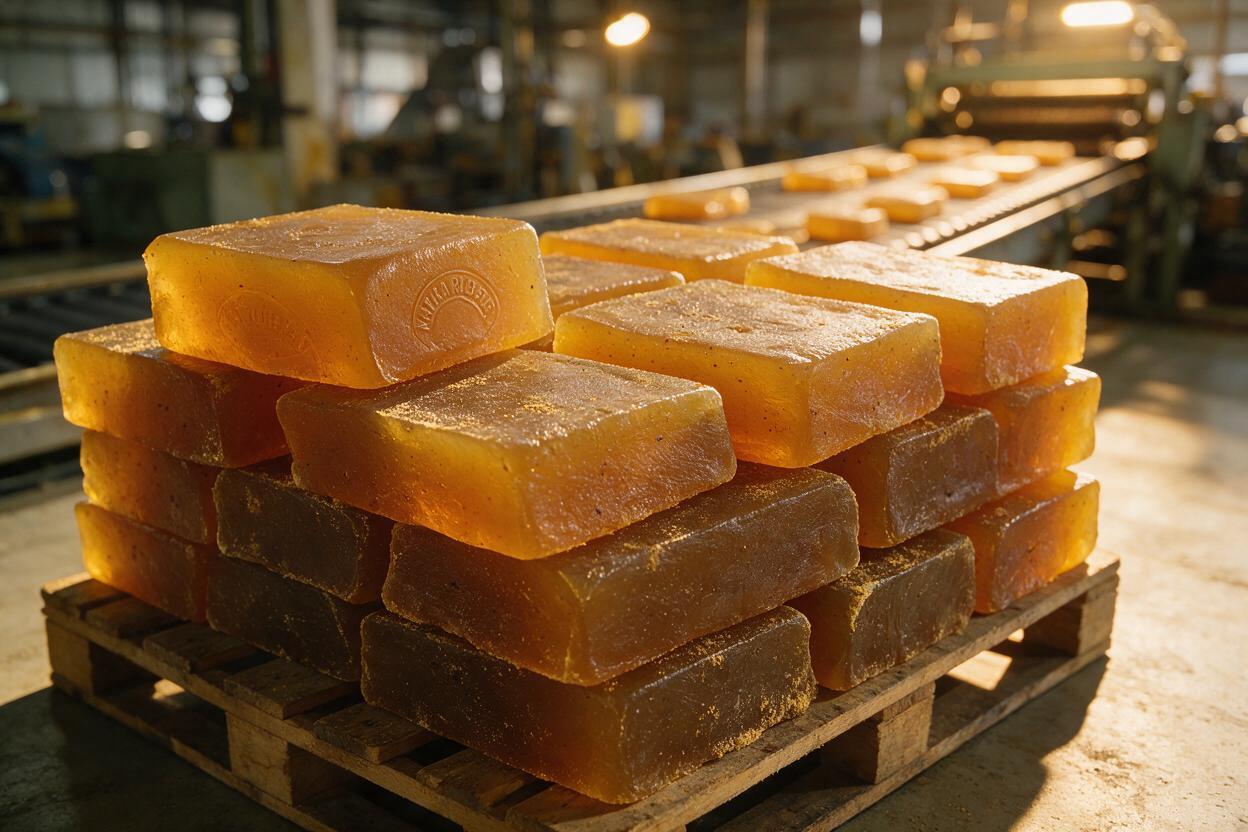
Since the second half of 2026, the natural rubber market has maintained a strong upward trend. In early September, domestic natural rubber spot prices reached near two-year highs. As of September 9, the SHFE (Shanghai Futures Exchange) rubber futures main contract briefly surpassed 19,700 yuan per ton. Against the backdrop of continuously rising raw material costs, the downstream tire industry has set off a new round of price hikes, with listed companies showing divergent performance.
Why Are Rubber Prices Rising?
This round of rubber price increases is not driven by a single factor. The Association of Natural Rubber Producing Countries (ANRPC) forecasts that global natural rubber production in 2026 will be approximately 15.32 million tons, while consumption will reach 15.60 million tons, resulting in a supply-demand gap of approximately 280,000 tons, wider than in 2025. On the supply side, Thailand faces aging rubber tree stock, Indonesia is dealing with the spread of leaf fall disease, and Vietnam expects declining output. Compounded by the El Nino phenomenon causing drought in production areas, the supply contraction trend is evident.
Meanwhile, butadiene, the raw material for synthetic rubber, is in tight supply with prices hitting historical highs. Downstream enterprises have been forced to shift toward natural rubber as an alternative procurement source, further pushing up demand for natural rubber.
The trigger for this round of rubber price increases remains geopolitical uncertainty. Affected by international crude oil market dynamics, the National Development and Reform Commission raised retail fuel prices effective August 28. The adjusted prices set 92-octane gasoline at 8.05 yuan per liter, 95-octane at 8.56 yuan per liter, 98-octane at 10.56 yuan per liter, and 0-octane diesel at 7.74 yuan per liter. The fuel price hike directly raised logistics costs and transmitted along the crude oil cracking chain to synthetic rubber and other core raw materials.
Tire Price Increases
Cost pressure has rapidly transmitted downstream through the industry chain. Since 2026, numerous tire companies including Michelin, Bridgestone, Zhongce Rubber, and Sailun Tire have issued successive price increase notices, with hikes generally ranging from 2% to 5%. The synchronized price adjustments by both foreign brands and domestic leaders demonstrate that this round of cost impact is industry-wide.
Zhongce Rubber stated in its price adjustment notice that the increase remains "far below the cost rise" and has initiated futures hedging operations for natural rubber and synthetic rubber. Sailun Tire indicated that the company will mitigate the impact of rising raw material prices through strategic partnerships, long-term contracts with suppliers, adjusted procurement strategies, product price modifications, and increased sales of high-value-added tires.
Multiple regenerated rubber enterprises across Zhejiang, northwest China, Shanxi, Shandong, Hebei, Fujian, Jiangxi, and Gansu have also issued collective price increase notices, with hikes ranging from 100 to 350 yuan per ton, driven by rising international crude oil prices, chemical raw material costs, tight supplies of waste tires, and elevated logistics expenses.
This platform focuses on the import and export of Chinese automotive equipment, gathering hundreds of certified Chinese automotive suppliers and connecting with global buyers. The platform achieves full transaction transparency, expands diverse cooperation opportunities, and helps both domestic and foreign parties build deep and stable cooperation bonds. Whether you are looking for vehicle manufacturers, purchasing automotive parts, or need customized procurement solutions, CNAUTO is your trusted first choice for cooperation.




