US Department of Commerce Imposes 260% Tariff on Chinese Box Semi-Trailers(Nov 4)
US Department of Commerce Imposes 260% Tariff on Chinese Box Semi-Trailers
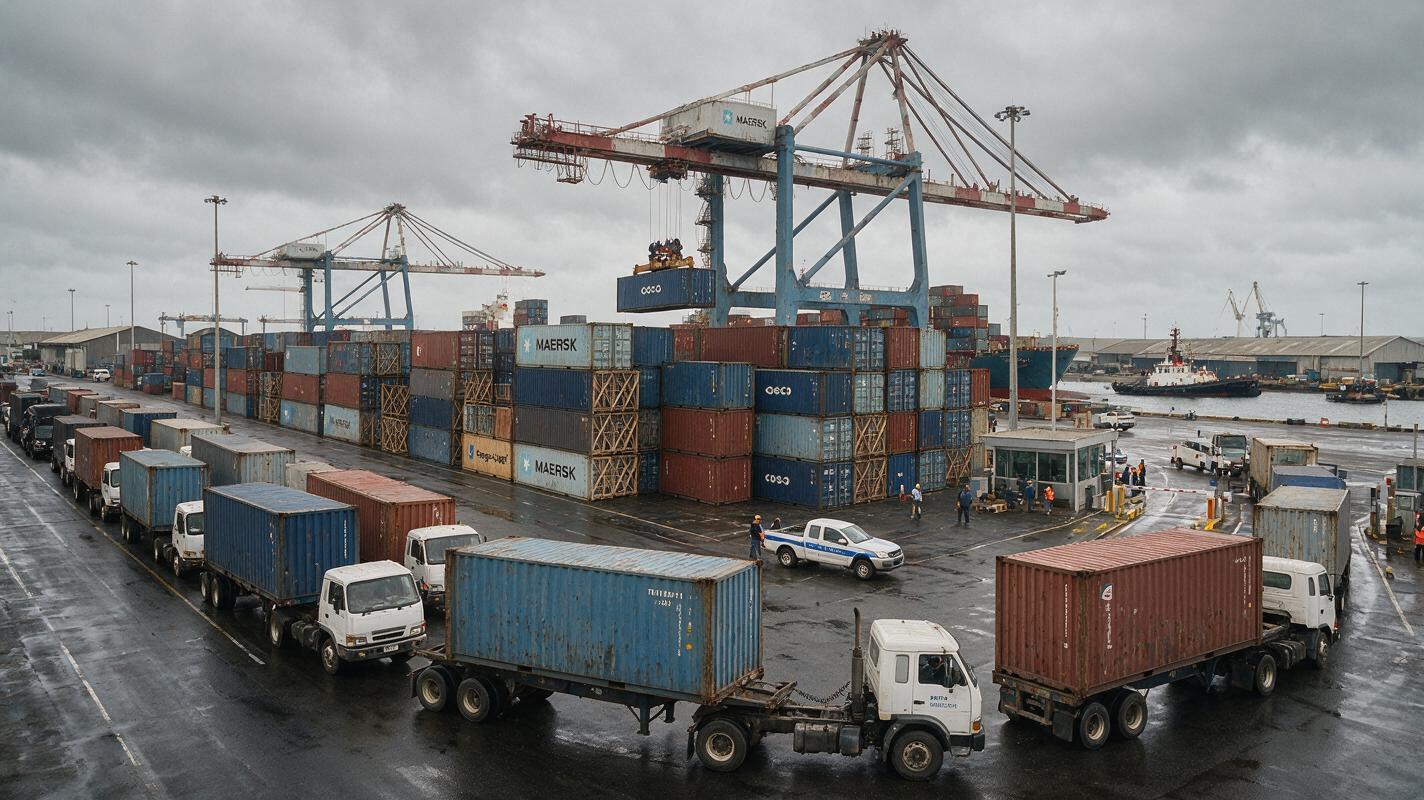
On October 31, the US Department of Commerce announced a 260% tariff on Chinese box semi-trailers, marking a significant escalation in trade measures against a previously overlooked product category. Unlike prior tariff actions that targeted semiconductors, photovoltaics, and new energy vehicles, this measure focuses on box semi-trailers, the wheeled cargo containers towed by heavy trucks.
Context: Decline of US Domestic Manufacturing
Twenty years ago, the United States had at least 20 large semi-trailer manufacturers serving the domestic market. Today, only six remain operating on US soil. This decline was not primarily caused by Chinese product dumping, but rather by the broader trend of US industrial hollowing. American manufacturers increasingly moved production to Mexico, where labor costs were half to one-third of US levels. Younger generations of American workers were reluctant to enter factory work, and as older skilled workers retired, the talent gap forced enterprises to relocate.
As US manufacturers moved to Mexico, they discovered that using Chinese supply chains was far more cost-effective than sourcing from US domestic suppliers. Chassis, axles, protective frames, and other components from China increasingly entered the supply chains of US-aligned manufacturers, further weakening the remaining US domestic supplier base.
Political Motivations and Timing
The tariff action comes amid the US midterm election season, with the administration seeking to project a tough stance on trade. By framing China as a threat and imposing punitive tariffs, the policy aims to appeal to domestic manufacturing voters. However, the effectiveness of this approach is questionable.
Potential Backfire: 2027 Replacement Cycle
In 2027, the United States will face a replacement wave for box semi-trailers. If US manufacturers are forced to revert to expensive domestic supply chains, costs will cascade down to customers. Transportation companies will face higher equipment prices, ultimately raising logistics costs across the economy. This dynamic mirrors previous tariff backlashes, such as when US farmers complained that tariffs on Chinese agricultural equipment forced them to purchase American alternatives at nearly five times the price, with a comparable quality gap that would require 400% tariffs to neutralize Chinese price competitiveness.
Industry observers note that the 260% tariff is unlikely to revive US semi-trailer manufacturing, as the underlying issues of labor costs, supply chain restructuring, and industrial hollowing cannot be resolved through tariffs alone. Instead, the measure may accelerate the shift of remaining US manufacturers toward Mexican production while raising costs for American transportation and logistics businesses.
This platform focuses on the import and export of Chinese automotive equipment, gathering hundreds of certified Chinese automotive suppliers and connecting with global buyers. The platform achieves full transaction transparency, expands diverse cooperation opportunities, and helps both domestic and foreign parties build deep and stable cooperation bonds. Whether you are looking for vehicle manufacturers, purchasing automotive parts, or need customized procurement solutions, CNAUTO is your trusted first choice for cooperation.
-
Zoomlion Launches World's Largest 1,600-HP Hybrid Tractor 9DX at CIAME 2026(Nov 4)6645
-
Taiyuan Heavy Industry Delivers 100 Methanol-Powered Autonomous Wide-Body Trucks to Xinjiang Mines(Nov 4)8937
-
US Department of Commerce Imposes 260% Tariff on Chinese Box Semi-Trailers(Nov 4)5502
-
Mandatory Energy Efficiency Standard for Charging Piles Takes Effect November 1, Fee Reform Enters Second Month(Nov 3)6355
-
Zhuoyu Technology Launches "Panxing" Commercial Vehicle Intelligent Driving Solution, Partners with Top 6 Heavy Truck Brands(Nov 3)6046