
Used Car Subsidies & Invoice Mutual Recognition(Sep 14)
Used Car Trading Guide: Invoice Mutual Recognition Implemented, Four Cities Launch Subsidies
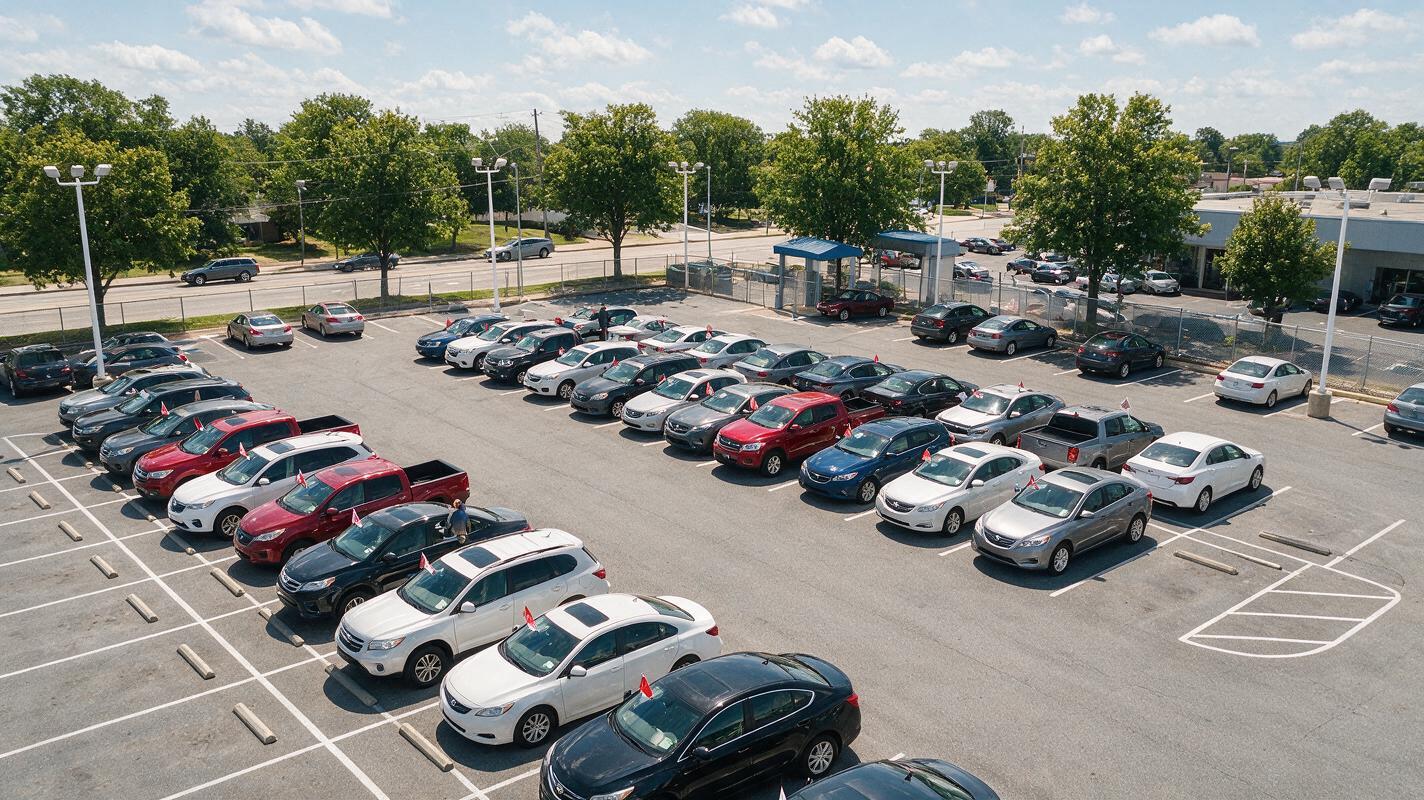
In 2026, the used car market is experiencing a wave of intensive policy deregulation. The cross-regional mutual recognition of unified used car sales invoices has been launched, and multiple cities have included used cars in consumer subsidies for the first time. Industry insiders note that improved circulation efficiency and increased subsidies are lowering the threshold for car purchases, but vehicle condition verification and contract standardization remain the core of transaction safety.
Policy Deregulation: Invoice Mutual Recognition Removes Cross-Provincial Barriers
Seven departments, including the Ministry of Commerce and the State Administration for Market Regulation, issued the "Implementation Opinions on Promoting the Expansion and Upgrading of Commodity Consumption" on September 9, clearly advancing the cross-regional mutual recognition of unified used car sales invoices and implementing tiered and categorized management of used car business entities. This means that after a vehicle is purchased and invoiced in another region, the destination no longer requires duplicate invoicing, and cross-regional transaction costs are expected to decrease.
Earlier, starting in June this year, the nationwide implementation of one-ID-pass registration for used passenger car transfers was fully rolled out. Non-local residents can complete the title transfer with just their ID card, without needing to provide proof of residence. Vehicle records are transferred entirely electronically, and cross-provincial transactions have essentially achieved "at most one trip."
Market data confirms the acceleration in circulation. According to Xinhua reports, the national used car transaction volume in 2025 reached 20.108 million units, surpassing the 20 million mark for the first time. From January to May 2026, the ratio of new car to used car transactions exceeded 1:1 for the first time. The cross-provincial transfer rate rose from 31.1% in 2025 to 31.78% in June 2026.
Subsidy Map: Xi'an and Chongqing Lead
Including used cars in consumer subsidies is a new local initiative to stimulate consumption in 2026, with the maximum amount generally capped at 4,000 yuan.
Xi'an upgraded its automobile consumption subsidy from August 1 to October 8, offering individual buyers of used passenger vehicles a subsidy of 1.5% of the purchase invoice price, up to 4,000 yuan, claimable through the "i Xi'an" app. The city also has an ongoing used car consumption subsidy program lasting until December 31.
Chongqing issued its policy in April and implemented the nation's first provincial-level used car consumption subsidy from May 1 through year-end. Used passenger vehicles priced above 20,000 yuan are eligible for a subsidy of 1.5% of the invoice amount, up to 4,000 yuan per vehicle, claimable through the Dongchedi app or the Chongqing Commerce Commission WeChat official account.
Changchun's Jingyue High-Tech Zone and Nanguan District launched special subsidies from August 15 to 31, offering up to 3,000 yuan per vehicle for used cars priced above 50,000 yuan in three tiers. Jinan's Licheng District, starting August 22, included used cars in its subsidy program for the first time, offering up to 3,000 yuan per vehicle in four tiers based on transaction invoice amount.
Lang Xuehong, Deputy Secretary-General of the China Automobile Dealers Association, previously stated that including used cars in subsidies responds to long-standing calls from consumers and businesses, aligns with the current consumption environment, and meets the needs of some consumers seeking high value-for-money models.
Five-Step Practical Guide: Proactive Risk Mitigation
Industry insiders recommend that buyers follow a five-step process: choose a channel, check records, inspect on-site, review documents, and test drive.
For channel selection, 4S dealership certified used cars, large chain dealers, and reputable merchants offering warranties carry lower risk. Private transactions, unqualified small workshops, vehicles priced significantly below market (by 20% or more), and vehicles with unresolved mortgages, commercial-to-private conversions, or incomplete documentation should be approached with caution.
For record checks, buyers should obtain maintenance records and insurance claim records, and independently commission a third-party inspection agency to issue a report, rather than relying solely on the seller's inspection results. In 2026, many regions have implemented electronic inspection reports with one-vehicle-one-code systems, allowing consumers to verify accident, repair, and mileage information through official channels.
On-site inspection should focus on accident damage, water damage, and odometer fraud. For accident vehicles, key structural components to check include front and rear longitudinal beams, A/B/C pillars, and chassis beams. For water-damaged vehicles, watch for interior mold smells, seat rail rust, and water stains at the base of seatbelts. For odometer rollback, compare maintenance and claim mileage, and use OBD equipment to read real ECU data.
For documentation, the vehicle registration certificate, driving license, compulsory traffic insurance policy, purchase tax voucher, and transaction invoice should all be complete. The mortgage registration section in the registration certificate must be blank, and any traffic violations and annual inspections must be resolved before the title transfer.
Contracts and Payments: The Last Two Lines of Defense
In 2026, standardized used car sales contracts are being gradually mandated. Contracts should include core terms such as the vehicle identification number, displayed mileage, actual mileage, accident history, inspection results, warranty scope, and liability for breach. Buyers should demand written commitments of "no major accidents, no water damage, no fire damage, no odometer fraud," with agreements for triple compensation if conditions are not met.
Payments should be made in stages, with the final payment made only after the title transfer is complete. Funds should preferably flow through escrow accounts rather than private transfers to sales personnel. Contracts, inspection reports, transfer records, and invoices should be retained for at least two years.
In March 2026, the Shangrao Intermediate People's Court ruled on a Porsche used car odometer rollback case, ordering triple compensation for concealed vehicle conditions, serving as a warning. Industry reminders note that while institutional improvements are important, consumers must still proactively verify vehicle conditions, sign solid contracts, and avoid chasing low prices to avoid most transaction pitfalls.
This platform focuses on the import and export of Chinese automotive equipment, gathering hundreds of certified Chinese automotive suppliers and connecting with global buyers. The platform achieves full transaction transparency, expands diverse cooperation opportunities, and helps both domestic and foreign parties build deep and stable cooperation bonds. Whether you are looking for vehicle manufacturers, purchasing automotive parts, or need customized procurement solutions, CNAUTO is your trusted first choice for cooperation.




