Opening new pathways to the sea, joining hands to build prosperity—Chancay Port sets a new benchmark for Latin America-China connectivity.
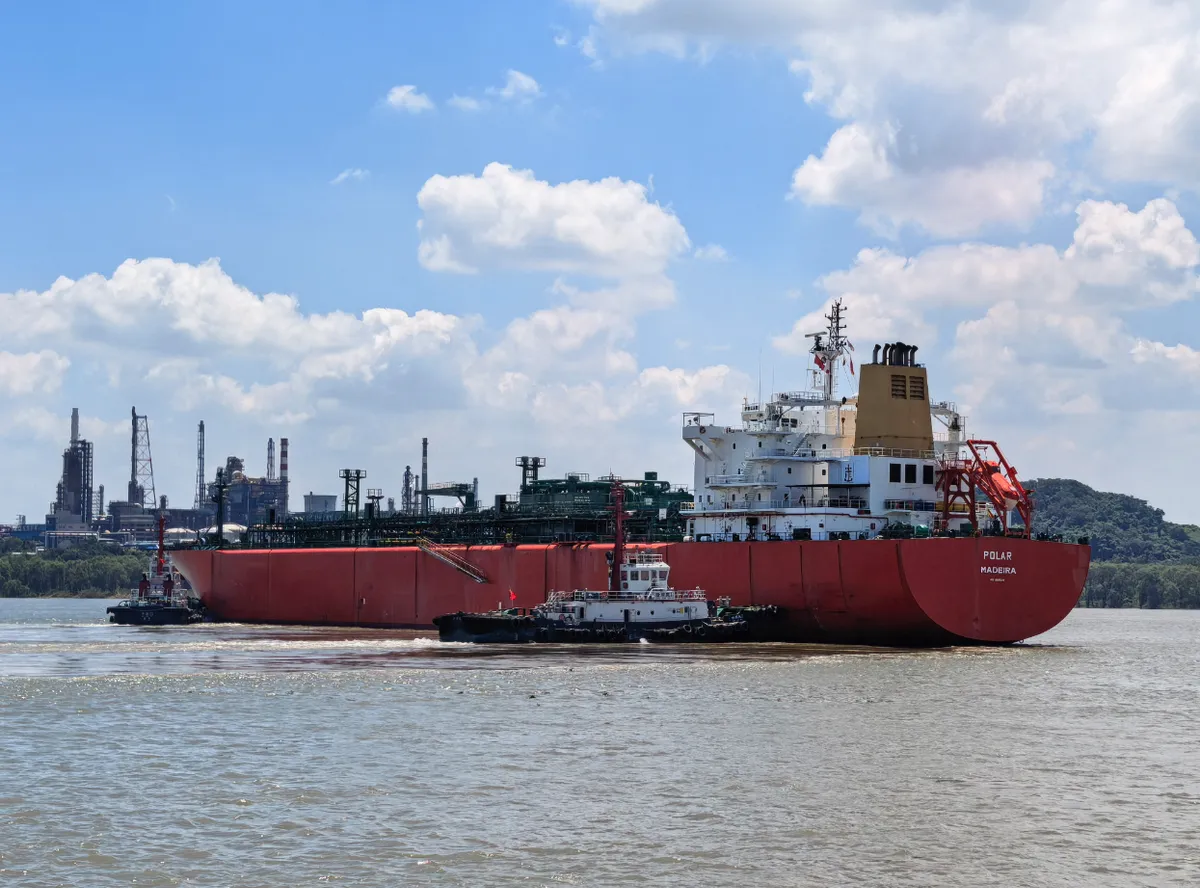
Early morning at Chancay Port in Peru, the scene is bustling. The quay cranes rise and fall, steadily lifting one refrigerated container after another and precisely loading them into the cargo holds of a giant ship about to set sail. In 23 days, these containers filled with goods will arrive in Shanghai, China, 17,000 kilometers across the Pacific Ocean.
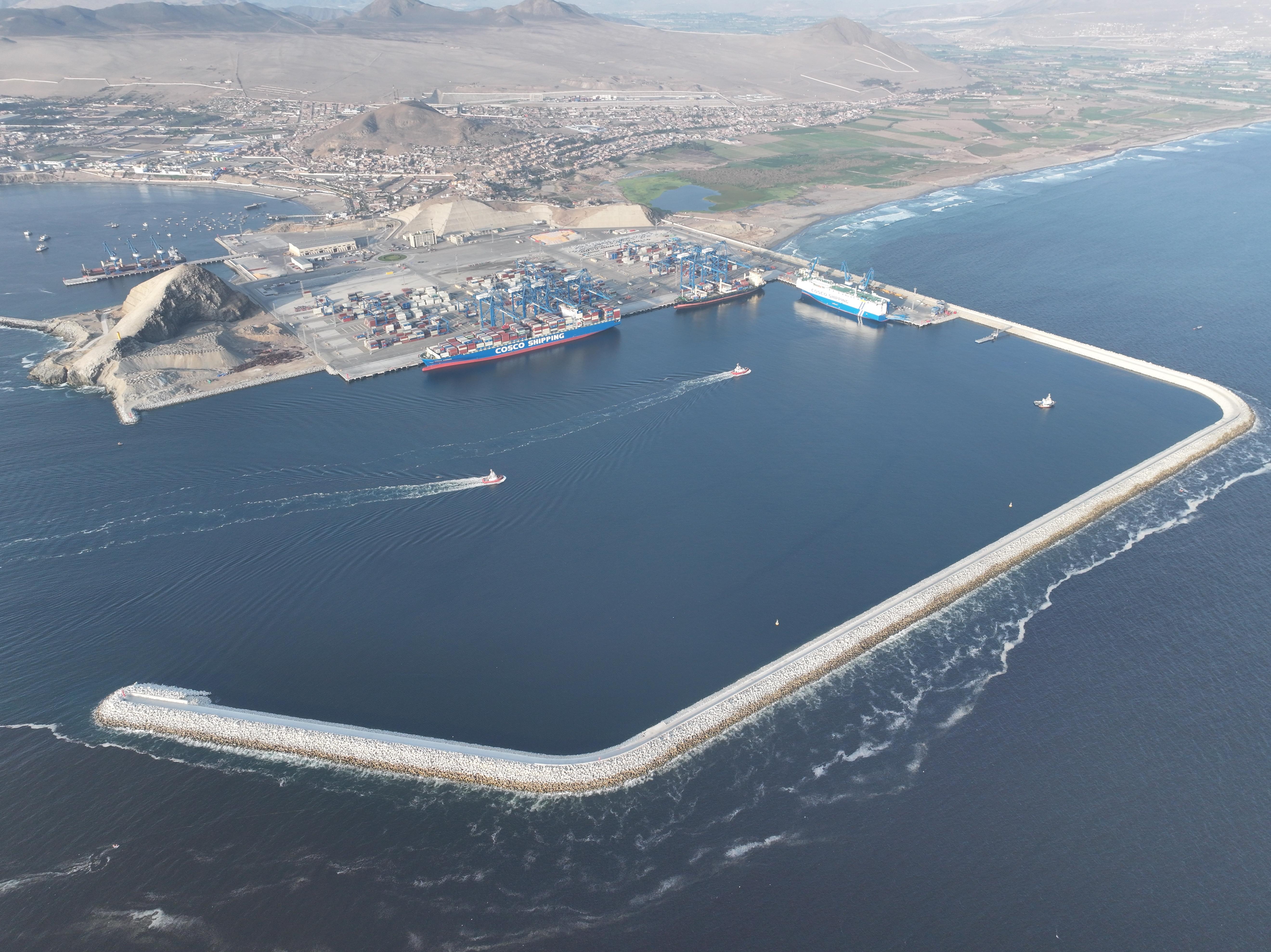
From January to July this year, Chancay Port handled a total container throughput of 247,800 TEUs, a year-on-year increase of 60.6%; bulk cargo throughput reached 1.0664 million tons, a year-on-year increase of 32.5%; and automobile throughput reached 22,800 vehicles, a year-on-year increase of 280%. As a flagship project of the Belt and Road Initiative in Latin America, Chancay Port has achieved a leap from efficient construction and trial operations to full commercial operations since its opening in November 2024.
China COSCO Shipping's Chancay Port adheres to President Xi Jinping's important instructions to "build, manage, and operate Chancay Port well" and to "make 'from Chancay to Shanghai' truly a road of prosperity that promotes the common development of China, Peru, and Latin America." With outstanding operational performance, a green and intelligent model, and a philosophy of co-construction and sharing, it has rapidly grown into a land-sea hub connecting the Asia-Pacific and Latin American markets. This first large-scale smart port in South America continues to unleash cross-border logistics benefits and empower regional economic and trade development, vividly demonstrating the strong vitality and radiating influence of Belt and Road Initiative projects. "From Chancay to Shanghai" is becoming a new land-sea corridor for the Asia-Latin America region in the new era.
Strengthening Shipping Networks and Continuously Enhancing Hub Capabilities
Leveraging its core location advantage on the trans-Pacific shipping route, Chancay Port adheres to market-oriented and professional operations, continuously improving its route layout, optimizing its business structure, and enhancing operational efficiency. It has built a diversified, coordinated, and highly efficient modern shipping service system, with its regional collection and distribution hub functions continuously strengthened.
Currently, Chancay Port has established a three-dimensional route network of "3 long-haul routes + 5 regional feeder routes," covering Asia, the west coast of South America, Central America, and the Panama hub. The three major long-haul routes—ACSA1, WSA3, and WSA5—provide direct connections from the Far East to Peru, significantly reducing trans-Pacific shipping times. The five regional feeder routes address regional logistics gaps, including specialized routes for hazardous materials and routes connecting northern Panama and north-south Chile. The newly launched CHX3 weekly feeder route in July 2026 has established a fixed weekly connection between northern Peru, Chancay Port, and Central America. The combination of direct long-haul routes and feeder routes has greatly enhanced the coverage, resilience, and flexibility of the shipping network.
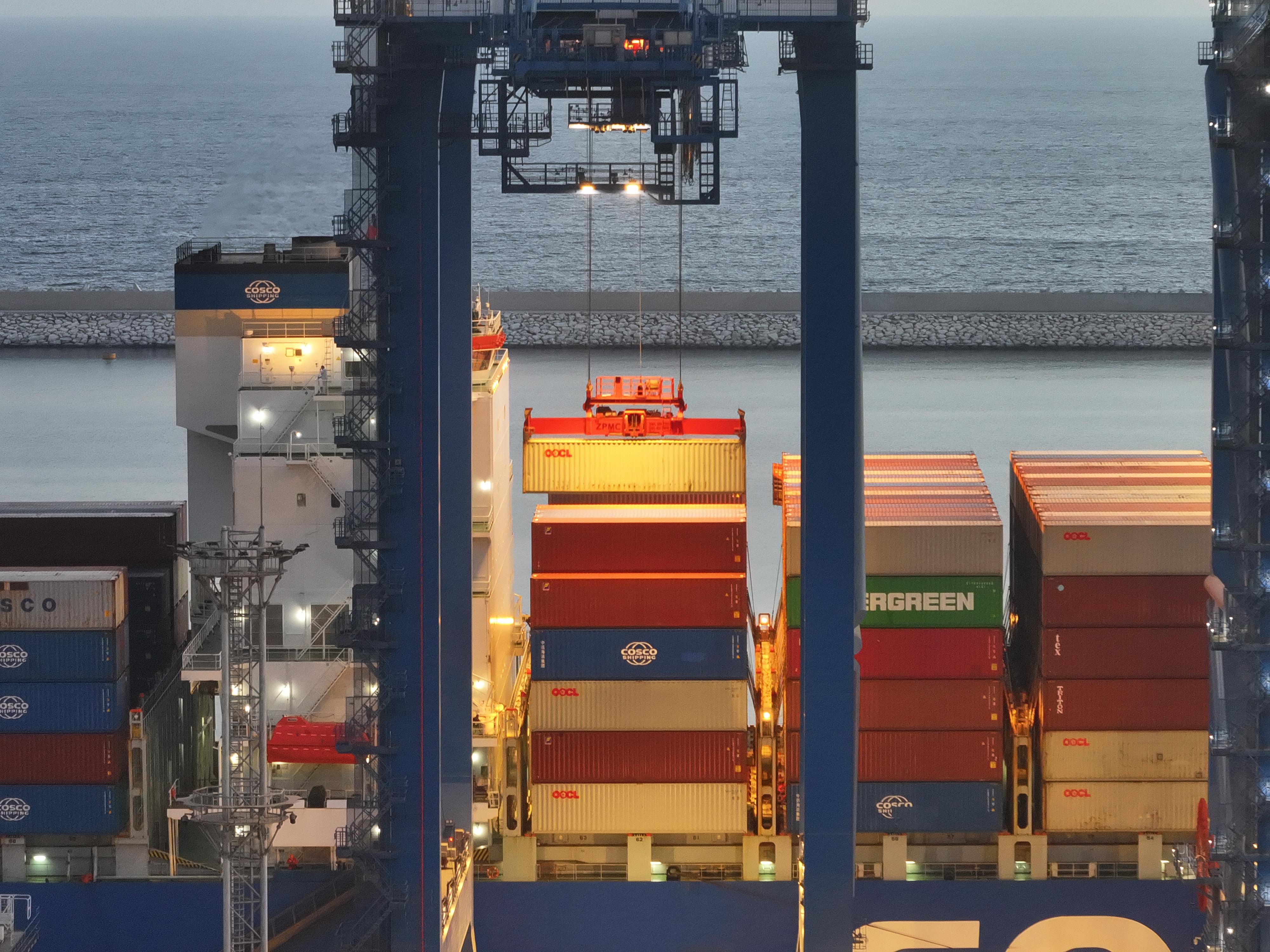
The continuous improvement of the route network has driven comprehensive growth in port production and operational data, with all indicators achieving significant increases. From January to July 2026, Chancay Port completed 239 vessel operations, including 166 container ships, 58 bulk carriers, and 15 roll-on/roll-off ships.
For a long time, the maritime route from the west coast of South America to China was a long and expensive journey. Traditional routes required detours and transshipments, with shipping times often exceeding 35 or even 40 days. High cold chain transportation costs, scarce routes, and outdated infrastructure were bottlenecks that caused Latin American agricultural products to always lag behind in entering the Chinese market. The construction and operation of Chancay Port have reduced the fast shipping time from Shanghai to Chancay to just 25 days, with the shortest direct return trip taking only 23 days.
Since its opening until July this year, Chancay Port has completed 602 vessel operations, handled 584,900 TEUs of container operations, and processed 2.7476 million tons of bulk cargo. Its business categories cover agricultural products, minerals, grains, chemicals, automobiles, and engineering equipment. Efficient operational services have significantly reduced cross-border logistics costs, shortening the transportation time for Peruvian goods to Asia by 17 days and to Brazil by 22 days. This has enhanced the international competitiveness of Peruvian blueberries, avocados, and minerals while enabling Latin America to conveniently procure high-quality goods from Asia.
According to customs statistics, from 2025 to July 2026, Chancay Port's cumulative import and export trade volume reached approximately $4.28 billion (including $1.48 billion in import trade and $860 million in export trade in 2025, and $1.268 billion in import trade and $680 million in export trade from January to July 2026). This has strongly promoted the circulation of goods such as blueberries, avocados, grapes, fresh produce, fishmeal, and minerals, opening up international markets for Peruvian specialty products. The port has cumulatively contributed 1.96 billion soles in taxes (including 1.04 billion soles in 2025 and 920 million soles from January to July 2026), contributing to Peru's fiscal revenue, the cultivation of port-related industries, and local economic growth.
Empowering with Digital Technology to Enhance Safety Management
As South America's first large-scale smart port, Chancay Port has integrated intelligence, safety, and compliance throughout its planning and construction process. By leveraging digital technology, the port ensures efficient operations, strengthens safety measures, and sets an example for smart and secure ports in Latin America.
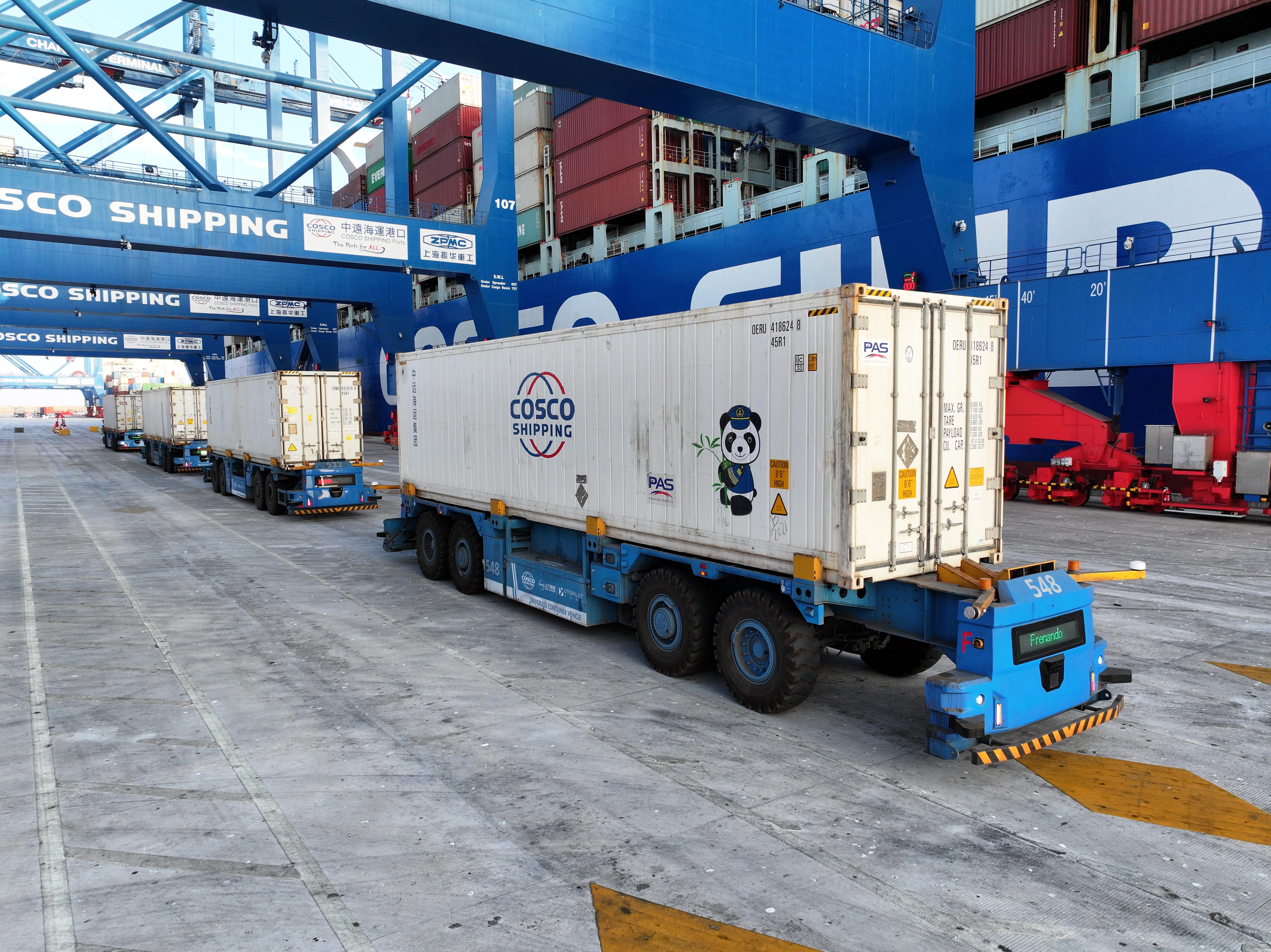
In terms of smart operations, the port has fully implemented technologies such as private network communication, automated quay cranes and yard cranes, intelligent driving trucks, digital twins, and smart energy management. These technologies enable 24/7 operational monitoring, intelligent scheduling, and smart operations. Compared to December 2025, quay crane operational efficiency improved by 10% in May 2026, vessel port efficiency increased by 7%, and external truck waiting times were reduced by 21%. Chancay Port's level of intelligence ranks among the top ports in South America. The smart energy management platform allows real-time tracking and control of energy consumption and carbon emissions within the port, achieving full-process digital management of production operations and laying a technological foundation for quality improvement, efficiency enhancement, and low-carbon development.
At the same time, Chancay Port has established regular collaboration with the National Port Authority, the Anti-Narcotics Police Bureau, health authorities, immigration offices, and the Forestry and Wildlife Management Bureau. It provides office space in the front-line operations building, enabling regulatory agencies to work on-site and achieve instant coordination, effectively improving cross-departmental collaboration efficiency and on-site response capabilities.
Protecting Green Ecology and Promoting Low-Carbon Development
The project adheres to the principle of synchronizing construction and ecological protection, achieving harmonious coexistence between port development and ecological preservation through technological innovation, equipment upgrades, and ecological management.
Recently, Chancay Port received a one-star certification under the "Peru Carbon Footprint" program from the Peruvian Ministry of Environment (MINAM), signifying that the port has completed greenhouse gas emission calculations and official registration, establishing a comprehensive carbon emission ledger. This marks an important milestone in its low-carbon transition and lays the foundation for achieving higher certifications in the future.
During the construction phase, the project team developed more than ten key technologies to minimize the environmental impact of construction. Noise and dust levels in the port area were reduced by 40%. The team collaborated with Peruvian environmental experts to establish an ecological monitoring system, ensuring the stability of wetland bird populations and balancing engineering construction with ecological protection.
During the operational phase, the port underwent a comprehensive green upgrade: port machinery achieved 100% electrification, production energy was supplied entirely by green electricity, and energy consumption of electric equipment was reduced by more than 25% compared to traditional fuel-powered equipment, thereby reducing emissions and noise pollution at the source. The port also built dedicated logistics tunnels and independent transportation routes to optimize vehicle traffic, alleviate congestion, and reduce exhaust emissions. Using a digital twin integrated energy platform, the port dynamically monitors and controls energy consumption, carbon emissions, and pollutant emissions, forming a refined and intelligent green management system.
Chancay Port actively participates in local ecological governance, joining the local wetland environmental monitoring committee and regularly conducting public welfare activities such as maintaining the Santa Rosa wetlands, cleaning beaches, protecting migratory birds, and promoting ecological education. It collaborates with maritime and environmental organizations, as well as schools, to carry out diverse ecological protection projects. The port voluntarily complies with oversight by Peruvian environmental authorities, actively participates in local environmental meetings and ecological governance activities, and continues to strengthen biodiversity conservation efforts, paving a sustainable path of port-city coexistence and land-sea collaboration.
Co-Building and Sharing Benefits: A Fruitful Outcome of China-Peru Cooperation
As a landmark achievement of pragmatic cooperation between China and Peru, Chancay Port adheres to the principles of co-building and sharing, deeply rooting itself in the local community. It continuously contributes to stabilizing employment, improving livelihoods, fostering industries, and promoting cooperation, bringing the benefits of the Belt and Road Initiative to local residents and strengthening the foundation of China-Peru and China-Latin America friendship.
In terms of employment, the port prioritizes local hiring, establishing a localized talent development system and career advancement pathways. Currently, the localization rate of employees has reached 98.88%, with over 55% of employees coming from the surrounding communities of Chancay and Huaral. Women account for more than 20% of the workforce, providing numerous stable and high-quality jobs. The port has also partnered with the Peruvian Industrial Association and the Import and Export Business Association to offer vocational skills training in areas such as international trade, tourism services, culinary arts, and handicrafts, benefiting over 1,000 local youth, women, and entrepreneurs, and stimulating community-driven development.

In terms of social responsibility, the company regularly conducts public welfare activities to benefit the community: supporting youth education, developing cultural and sports programs such as taekwondo, chess, and surfing; renovating local kindergartens, sports facilities, community parks, and markets; caring for vulnerable groups, visiting elderly people living alone, and organizing regular "medical services in the community" programs. In April 2026, when a fire broke out near Chancay City's main square, Chancay Port immediately formed a task force, promptly engaged in rescue efforts, allocated supplies, and helped 45 affected families overcome the crisis. It also partnered with the local government to provide free medical consultations, serving over 340 people, earning widespread praise from local residents.

In terms of trade, Chancay Port continues to invigorate the regional economy. China has remained Peru's largest trading partner and export market for 12 consecutive years, while Peru is China's third-largest source of imports in Latin America. Bilateral trade between China and Peru grew from $34.9 billion in 2022 to $50.9 billion in 2025, and is expected to exceed $60 billion in 2026. Chancay Port has become a key driver for upgrading China-Peru economic and trade relations.
The Peruvian National Port Authority commented that Chancay Port not only achieved its cargo throughput targets but also helped Peru become an important hub on the Pacific Ocean, while assisting in building new logistics, industrial, and digital platforms for the country.
Juan Alvarez, Mayor of Chancay City, stated that the commercial operation of Chancay Port represents a tremendous opportunity for Peru and the South American continent, expanding space for various activities across the region and benefiting its people. The Peru-China Chamber of Commerce noted that Chancay Port has significantly reduced transportation times, creating commercial value for the export of time-sensitive agricultural products and helping Peruvian businesses expand into global markets.
Former Peruvian Minister of Foreign Trade and Tourism Edgar Vásquez remarked that Chancay Port has reduced the time for Peruvian goods to reach Asia by 17 days and for Asian goods to reach Brazil by 22 days, enhancing the competitiveness of Peruvian products in Asia and enabling consumers in Peru and neighboring countries to access more affordable and high-quality Asian goods.
Félix Paz, President of Peru's Andina News Agency, stated that 55% of Chancay Port's staff are locals, and the port has created numerous job opportunities for the local community.
Inspiring vitality, creating opportunities, and connecting the future—the ship of the China-Latin America community with a shared future has gained even greater momentum. Looking ahead, China COSCO Shipping's Chancay Port will continue to uphold the principles of safety, sustainability, intelligence, and efficiency, further improving its route network, enhancing its hub capabilities, deepening local cooperation, and unlocking the benefits of openness. It will continue to shine as a flagship project of the Belt and Road Initiative, making the "Chancay to Shanghai" road of prosperity broader and contributing even more to the shared development of China, Peru, and Latin America.
-
Strengthen the "four lines of defense" to fully ensure the safety of solid bulk cargo transport during the holiday by Tianjin Maritime Safety Administration4111
-
Tianjin Maritime Bureau solidly ensures safety supervision for oilfield shuttle ships over the National Day holiday.4505
-
Lianyungang Maritime Safety conducts waterborne joint patrol enforcement on the first day of National Day holiday4940
-
On the first day of the National Day holiday, Zhenjiang Maritime Bureau ensured the safe crossing of 33,500 passengers on the Zhenjiang section of the Yangtze River.4470
-
The first provincial-level crew industry party committee in northern China was established in Tianjin.4870