Sea-rail intermodal "one-box system" direct transport to Wuhu Automotive Industry Base
On November 10, 60 domestically produced new energy vehicles embarked on an intermodal "one container" train from the Wuhu West Rail-Water Intermodal Line station, heading to Shanghai Yangshan Port for shipping overseas. This marks the first implementation of the "one container" model for rail-sea intermodal transport in Wuhu's industrial hinterland, achieving "origin container loading, one-container-through" and opening a new channel for exporting Anhui-made new energy vehicles via rail-sea intermodal transport.
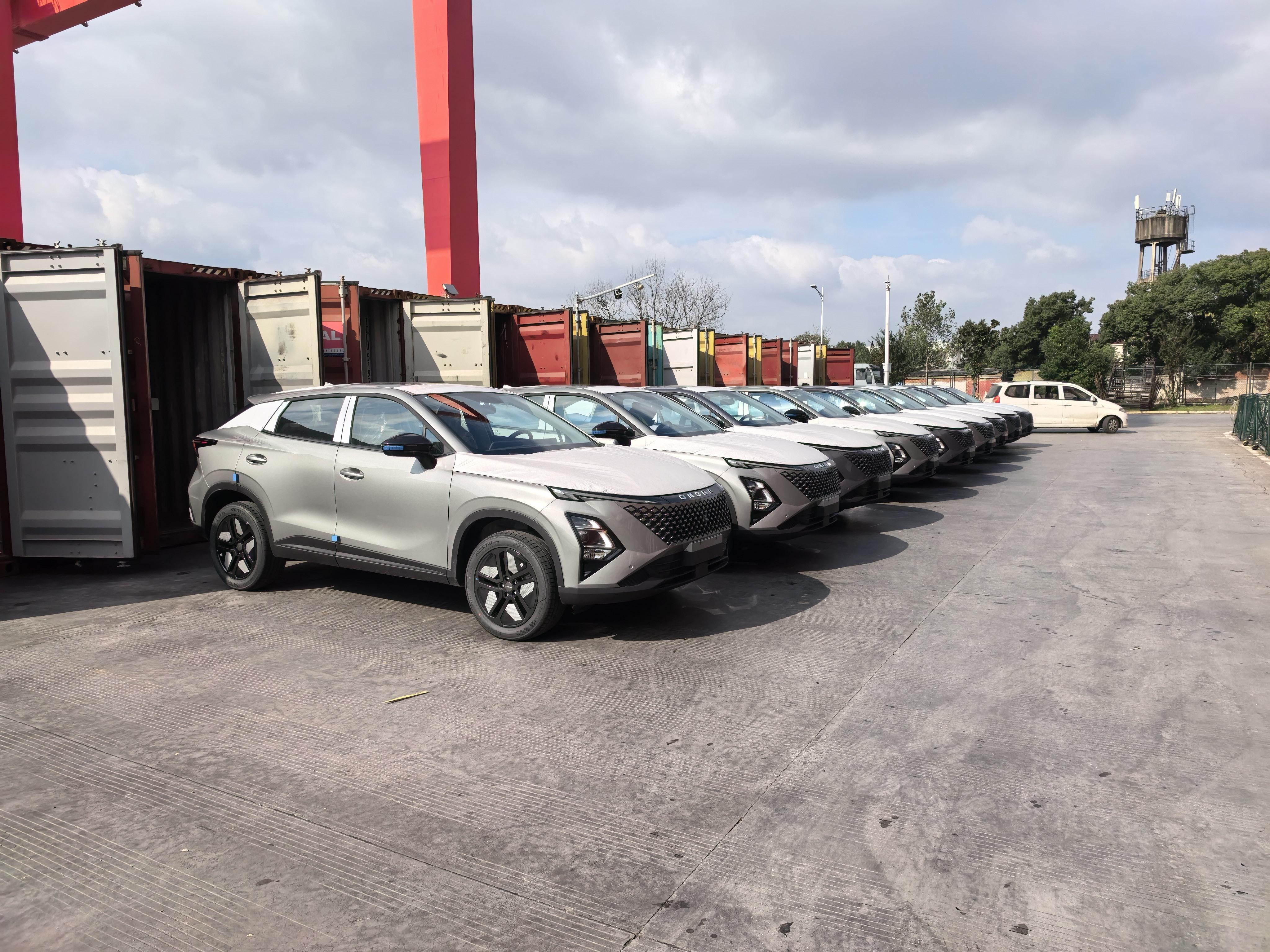
Wuhu is the core automotive industry hub of Anhui Province, gathering automakers such as Chery, JAC, and NIO, along with over 2,000 large-scale supporting enterprises. The export momentum of new energy vehicles is strong. To address the rising demand for overseas logistics, the Shanghai Maritime Bureau, leveraging the cross-regional functionality of the online Shanghai node (service sub-center) of the Yangtze River Economic Belt's multimodal distributed linkage service, ensures the smooth implementation of the rail-sea intermodal "one container" transportation model for "Wuhu-originating vehicles bound for Yangshan Port." Compared to the "one container" lines of Wuxi West Station and Nanjing Longtan Station, the Wuhu line is directly connected to the vehicle production base, resulting in more significant cost reductions per container. Additionally, this route complements the established Wuhu-Yangshan Port river-sea intermodal transport channel, forming rail-water synergy and creating a new independent and stable export pathway for Anhui-made new energy vehicles. This helps mitigate delivery delays caused by transshipment disruptions from adverse weather conditions, enhancing supply chain stability.
Previously, the rail segment for domestic trade treated new energy vehicles as general cargo, while the sea segment regulated them as hazardous goods. The lack of alignment between land and sea regulations meant vehicles had to be reloaded after reaching the port, increasing logistics costs and lengthening transport times. Addressing this industry bottleneck, the Shanghai Maritime Bureau introduced the "two alignments and three advancements" initiative in 2023. "Two alignments" refer to aligning cargo container standards between land and sea and aligning container regulatory services. "Three advancements" include advancing hazardous goods container loading locations, advancing safety container regulatory services, and advancing approval processing timelines. While maintaining strict safety standards, this initiative optimizes the transfer and shipping processes between rail and sea, further increasing cargo turnover efficiency and reducing logistics costs for enterprises.
Since the implementation of this model, market recognition has steadily increased. Statistics show that from January to October 2026, the service sub-center facilitated the export of 3,230 new energy vehicles from Yangshan Port using the rail-sea intermodal "one container" model, a more than fourfold increase compared to 640 vehicles during the same period in 2025.
"Previously, vehicles arriving at the port had to be unloaded and reloaded, which took an extra two to three days and caused high storage and labor costs. Now, with container loading done locally in Wuhu and direct transportation in one container, the process is greatly streamlined, reducing logistics costs per container by over 20%. Overseas order deliveries are also more stable," said the relevant person in charge of the rail-sea intermodal transport enterprise involved in this export project.
The implementation of this route extends maritime regulatory services to the industrial frontlines, further strengthening critical nodes in Wuhu's multimodal transport network and optimizing the spatial layout for exports in the Yangtze River Delta. It injects new momentum into the high-quality development of the Yangtze River Delta world-class port cluster. In the future, the Shanghai Maritime Bureau will continue to advance the expansion and efficiency of the "one container" model, extending it further into the Yangtze River Delta hinterland cities, facilitating the efficient export of domestically produced new energy vehicles and other foreign trade cargo, and supporting the high-quality development of the Yangtze River Delta's integration as well as the establishment of the Shanghai International Shipping Center.
-
Sea-rail intermodal "one-box system" direct transport to Wuhu Automotive Industry Base3997
-
The Donghai Rescue Bureau's air and sea forces rescued 14 distressed crew members at sea.3026
-
From "uncertain" to "confident"—East China Sea Navigation Guarantee Center of the Ministry of Transport uses digital innovation to assist "joint governance of commercial and fishing sectors"3226
-
The Dalian Seafarer Skills Competition successfully held.4984
-
The Yangtze River Nanjing Navigation Bureau addresses abnormal navigation marker hazards in the bridge area.3293